

About two in ten people who have ADHD recognize that they have ADHD and are engaging a proactive management plan. One reason for this discrepancy is the misconception about what ADHD is and what it is not. Over the last 10 years I’ve coached many successful entrepreneurs, professionals and small business owners around getting things done. The most successful ones do not let their ADHD define who they are. Rather, they allow their ADHD to inform their experience.
Can ADHD present big roadblocks for these entrepreneurs? Yes, but not so big that the roadblocks become insurmountable. These clients see their ADHD as ‘more information’ to fold into their bigger game plan. By getting clear on their ADHD experience they were able to put their misconceptions of ADHD behind them.
A quick disclaimer -It should be noted that everyone’s situation is unique. It is not a simple matter of “just do it”. Accessing key resources as needs arise (a therapist for depression, a coach for accountability, an assistant for scheduling) is a smart approach. A place to begin is developing accurate awareness of your own ADHD experience.
Get Clear and Move Forward
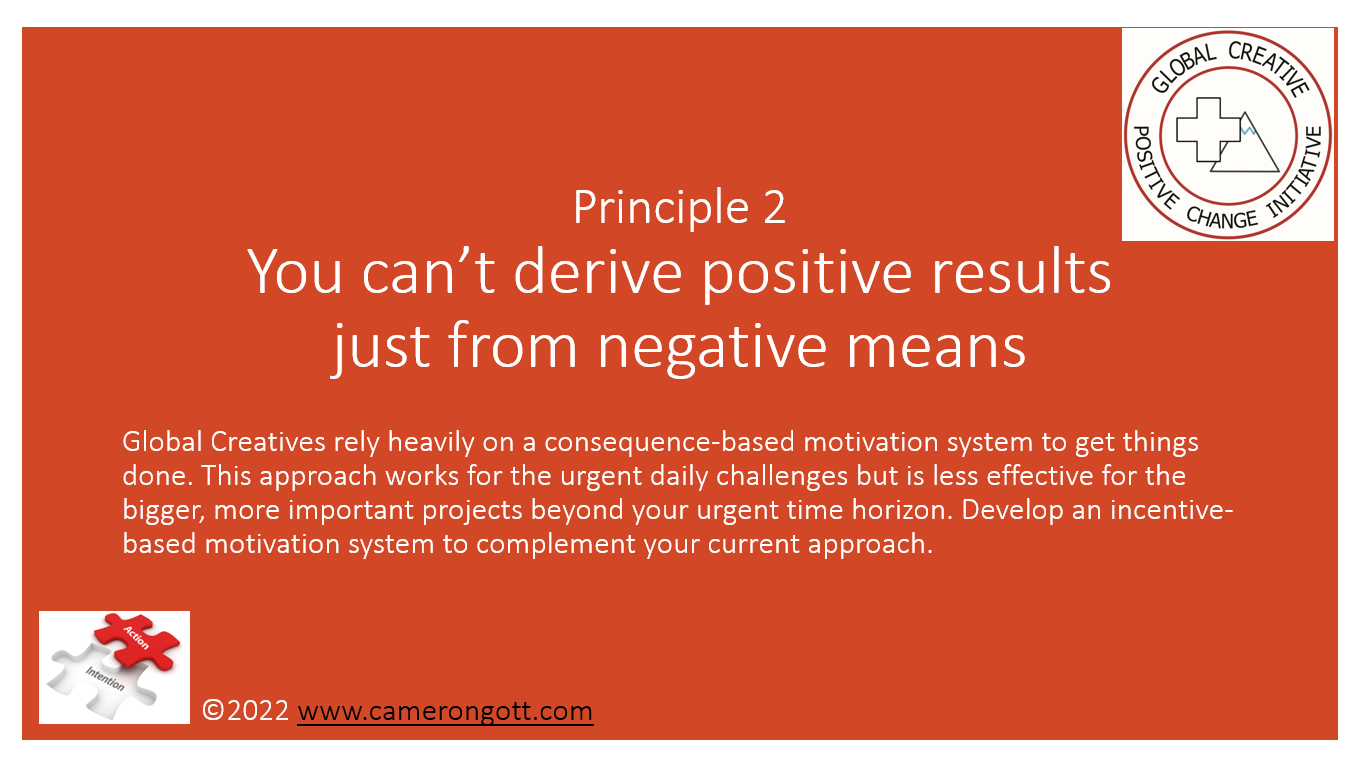
Uncertainty is the major derailleur for people with ADHD. Getting clear or ‘clear enough’ allows one to move forward. Moving forward is key for the individual with ADHD.
Uncertainty about ADHD can play out in extreme mindsets:
“No excuses… it’s in your head… you’re just undisciplined!”
or
“It’s OK, you have a disease/disability, you should take medication and look for a job that doesn’t involve concentration”.
As you can see, neither of these mindsets are useful in developing a winning approach to business or delivering the goods. “Get clear and move on” is a process and within the process we first need to clear up some common misconceptions.
There are many common misconceptions about ADHD. Here is a short list especially useful for success in dynamic work environments:
“I can’t have ADHD and be smart”: There is no connection between intelligence and ADHD. In fact children identified in gifted programs with high IQs also have been diagnosed with ADHD. Many truly innovative geniuses of our time and in the past exhibit the traits of ADHD. The challenge lies in the attention , memory, an executive function part of the brain. The freethinking entrepreneur’s misstep is not pausing to access his smart brain opting for the emotional or “caveman” portion of the brain. Also, there are different forms of smart. Some are ‘time smart’ while others are ‘idea smart’. So claim your intelligence where you can.
“I can’t have ADHD and be successful”: It’s true that statistically if you have ADHD you are less likely to:
- graduate from college
- make more money over your lifetime
- stay in one job
It’s also true that you can be successful and have ADHD. The key is having your ADHD work for you and not you working for your ADHD. It is knowing where and when to leverage your attributes and limit the challenges. Richard Branson, David Neeleman, Jamie Oliver, Paul Orfalea and Howie Mandel are just a few successful entrepreneurs who have ADHD .
“I can’t have ADHD and have a strategic advantage”: It’s not important that others accept the ADHD. It’s important that you accept and define your experience. It’s important that you tell others but only those who will support you and not try to jab holes in your argument. For many, ADHD seems like a cop out or throwing in the towel. For those who are not ready to accept your ADHD, be creative in relaying your preferences and needs. Enacting a daily huddle to stay abreast of current events sounds like a brilliant management move. It also is a great way to manage your ADHD challenges.
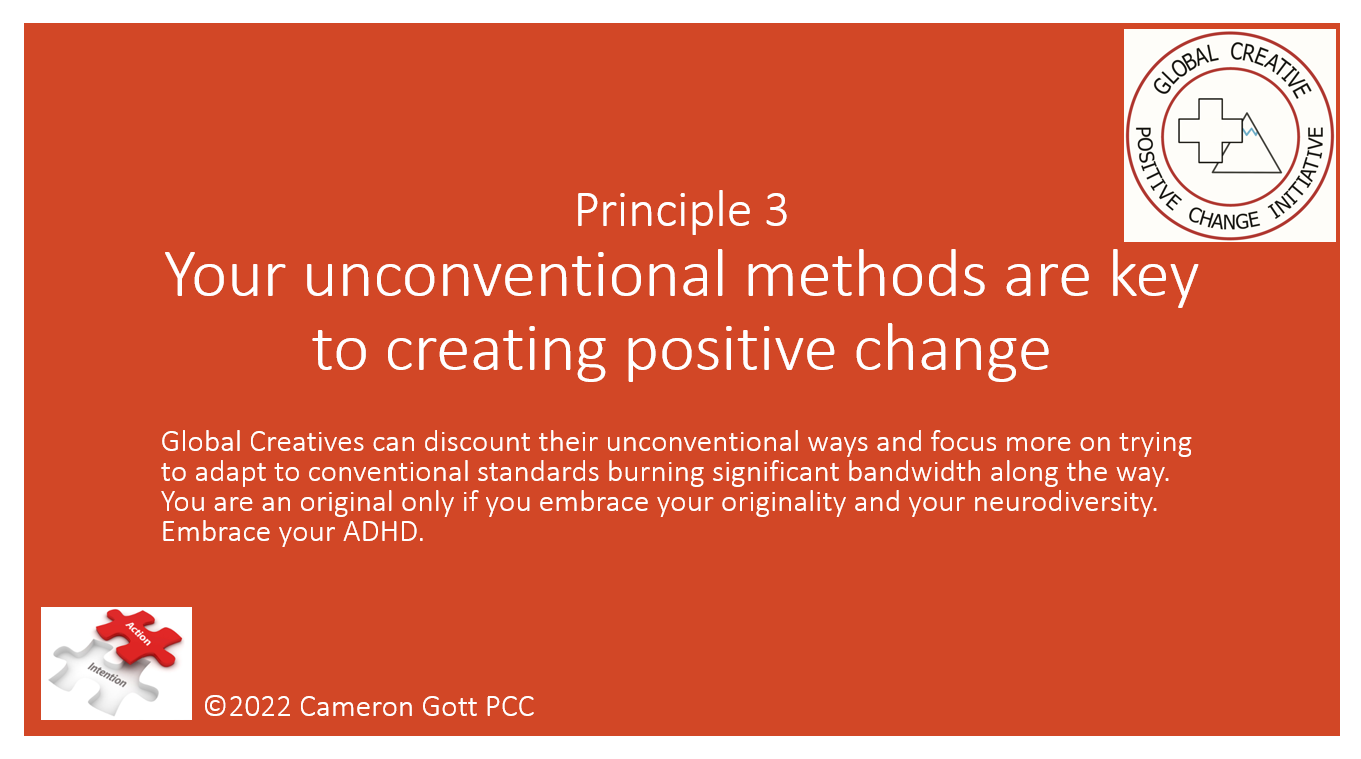
I’ve seen time and time again, brilliant, innovative business people approach their ADHD management in uncreative ways. This is usually because they view the challenges from one of the two limiting mindsets stated above. Once you turn your innovative practices toward managing your ADHD, you will see positive movement.
(This entry also appears as an article at Task.fm)